





Medicine and Biotechnology
Medicine and Biotechnology
Registry Entry: PI No. FS77-88898 dated 13.12.2024
Founder and publisher
Federal State Budgetary Educational Institution of Higher Education “National Research Ogarev Mordovia State University”
Editor-in-Chief
Federal State Budgetary Educational Institution of Higher Education "National Research Ogarev Mordovia State University"
Editor-in-Chief
Larisa A. Balykova
Vice-Rector for Innovation in Biotechnology and Medicine
Doctor of Medical Sciences, Professor
Corresponding Member of the Russian Academy of Sciences
Frequency / Access
4 issues per year / Open Access
Official Journal Website:
The peer-reviewed open-access scientific journal Medicine and Biotechnology aims to acquaint readers with the results of original scientific research that contribute to the advancement of science in the fields of medicine and biotechnology.
Mission
The journal’s mission is to serve as an international platform for scholarly discussion, exchange of experience, and dissemination of current achievements in medicine and biotechnology.
Audience
The journal is intended for researchers and professionals in the fields of medicine, pharmacology, biology, biomedicine, and veterinary science; for faculty members, postgraduate students, and undergraduate students of higher education institutions; as well as for a broader readership interested in promising areas of Russian and international science.
Peer Review Policy
All submitted articles undergo scientific peer review (double-blind). Each manuscript is reviewed by several leading experts whose academic specialization closely aligns with the subject matter of the article.
Anti-Plagiarism Policy
The editorial board upholds a zero-tolerance policy toward plagiarism. All manuscripts are checked for improper citation and originality using the “Antiplagiat” system.
Distribution
Russian Federation and international markets.
Open Access Policy
The journal provides open access to full texts of publications based on the principle that free access to research results promotes global knowledge exchange.
Journal Scope
The thematic focus of the journal corresponds to the following academic specialties and scientific disciplines as defined by the List of Peer-Reviewed Scientific Publications:
- 1.5.6. Biotechnology (biological, pharmaceutical, medical sciences)
- 3.1.9. Surgery (medical sciences)
- 3.1.18. Internal Medicine (medical sciences)
- 3.1.21. Pediatrics (medical sciences)
- 3.3.3. Pathophysiology (medical, biological sciences)
- 3.3.6. Pharmacology, Clinical Pharmacology (medical, pharmaceutical, biological sciences)
Partners:


Current Issue
Vol 1, No 4 (2025)
- Year: 2025
- Published: 22.12.2025
- Articles: 7
- URL: https://medbiosci.ru/MedBiotech/issue/view/23942
Full Issue

Pathological physiology
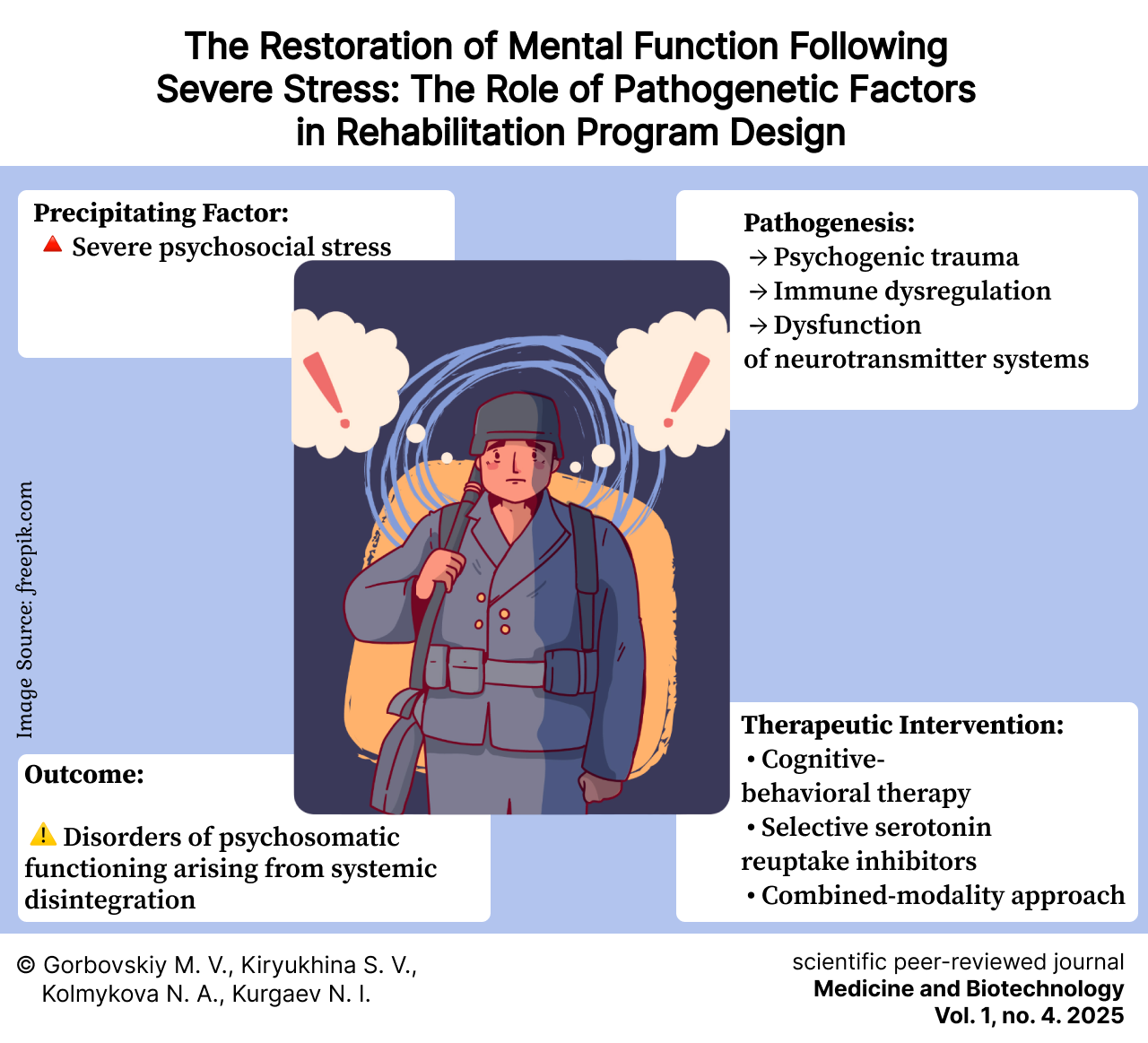
The Restoration of Mental Function Following Severe Stress: The Role of Pathogenetic Factors in Rehabilitation Program Design
Abstract
Introduction. Prolonged exposure to the extreme stressors associated with participation in a special military operation can precipitate the development of a wide spectrum of mental disorders, which are characterized by significant comorbidity. This necessitates the development of pathogenetically-grounded rehabilitation programs aimed at improving clinical status and enhancing the quality of life of affected individuals.
The aim of this review is to systematize and analyze contemporary scientific evidence to inform the development of comprehensive rehabilitation programs. These programs are designed to mitigate mental disorders and their comorbid manifestations that are pathogenetically linked to involvement in a special military operation, taking into account the developmental trajectory of these conditions.
Materials and methods. The research methodology comprised a theoretical analysis of scientific publications from 2006 to 2025, sourced from the electronic databases CyberLeninka, eLibrary, and PubMed, and based on a total of 59 references (29 domestic and 30 international). Key focus areas for subsequent clinical research were identified. The review's findings are formulated on the basis of the aforementioned documentary data.
Results. This study has systematised the key pathogenetic mechanisms underlying stress-induced mental disorders and delineated the patterns of their interplay. Comprehensive rehabilitation programmes have been proposed; these integrate psychotherapeutic and psychopharmacological methods for treatment and correction, aimed at alleviating existing disorders and preventing the potential development of mental health conditions.
Discussion and conclusion. The pathogenesis of a substantial proportion of mental disorders arising from exposure to severe stress is underpinned by significant psychogenic trauma, immune system dysregulation, and disruptions in neurotransmitter metabolism, which collectively lead to a disintegration of the body's functional systems. The timely application of a combined therapeutic approach, incorporating psychotherapeutic interventions – specifically cognitive-behavioural therapy – and psychopharmacotherapy, with an emphasis on selective serotonin reuptake inhibitors, exerts a substantial influence on the clinical course and prognosis of these disorders. Further research in this field is imperative for the development of more effective and personalised rehabilitation strategies for individuals who have experienced severe stress.
 322-341


Pharmacology, clinical pharmacology
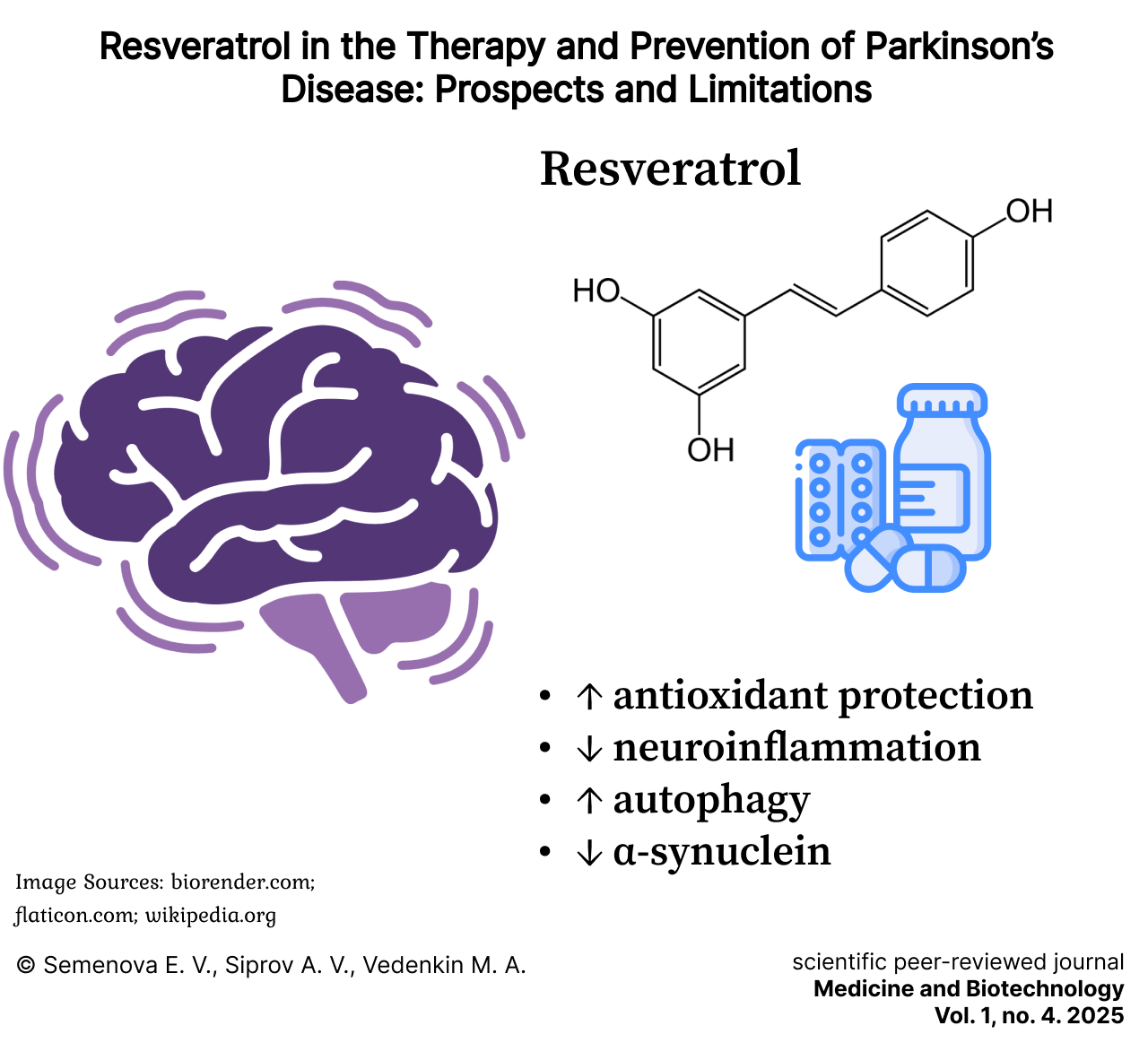
Resveratrol in the Therapy and Prevention of Parkinson’s Disease: Prospects and Limitations
Abstract
Introduction. Resveratrol represents a promising natural compound for the treatment of Parkinson’s disease; however, the evidence from systematic analyses of research findings in the literature remains insufficiently elucidated. The objective of this work is to systematize the data on the therapeutic effects of resveratrol and its mechanisms of action in Parkinson’s disease, and to evaluate the prospects for its application in clinical practice, alongside the associated challenges and potential resolutions.
Materials and methods. Of the 130 literature sources identified from the Medline and PubMed databases, 40 were selected for inclusion in this review. The analysis and systematization of the current data were performed based on the following inclusion criteria: studies involving the exclusive use of resveratrol, in vivo models of Parkinson's disease in rodents, and human clinical trials.
Results. It has been established that resveratrol demonstrates efficacy in animal models of Parkinson's disease, as demonstrated by improved motor function, reduced degeneration of dopaminergic neurons, and decreased levels of inflammatory and pro-apoptotic markers. The most significant mechanisms underlying this neuroprotection are associated with neuronal antioxidant defence, the activation of sirtuins involving associated signalling pathways for apoptosis regulation, the modulation of autophagy, anti-inflammatory activity, and the suppression of mitochondrial dysfunction.
Discussion and conclusion. A substantial body of evidence exists for resveratrol’s efficacy in Parkinson’s disease, primarily derived from pre-clinical studies; however, the number of clinical trials remains limited. Nevertheless, the existence of ongoing clinical investigations into resveratrol for Parkinson’s disease patients signifies considerable scientific interest in this compound for neurodegenerative disorders. For the widespread clinical implementation of resveratrol to be realized, the challenge of its low oral bioavailability must be addressed, and large-scale, randomized controlled trials must be conducted. This synthesized information will be valuable for planning future pre-clinical and clinical research on the anti-parkinsonian efficacy of resveratrol.
342-355
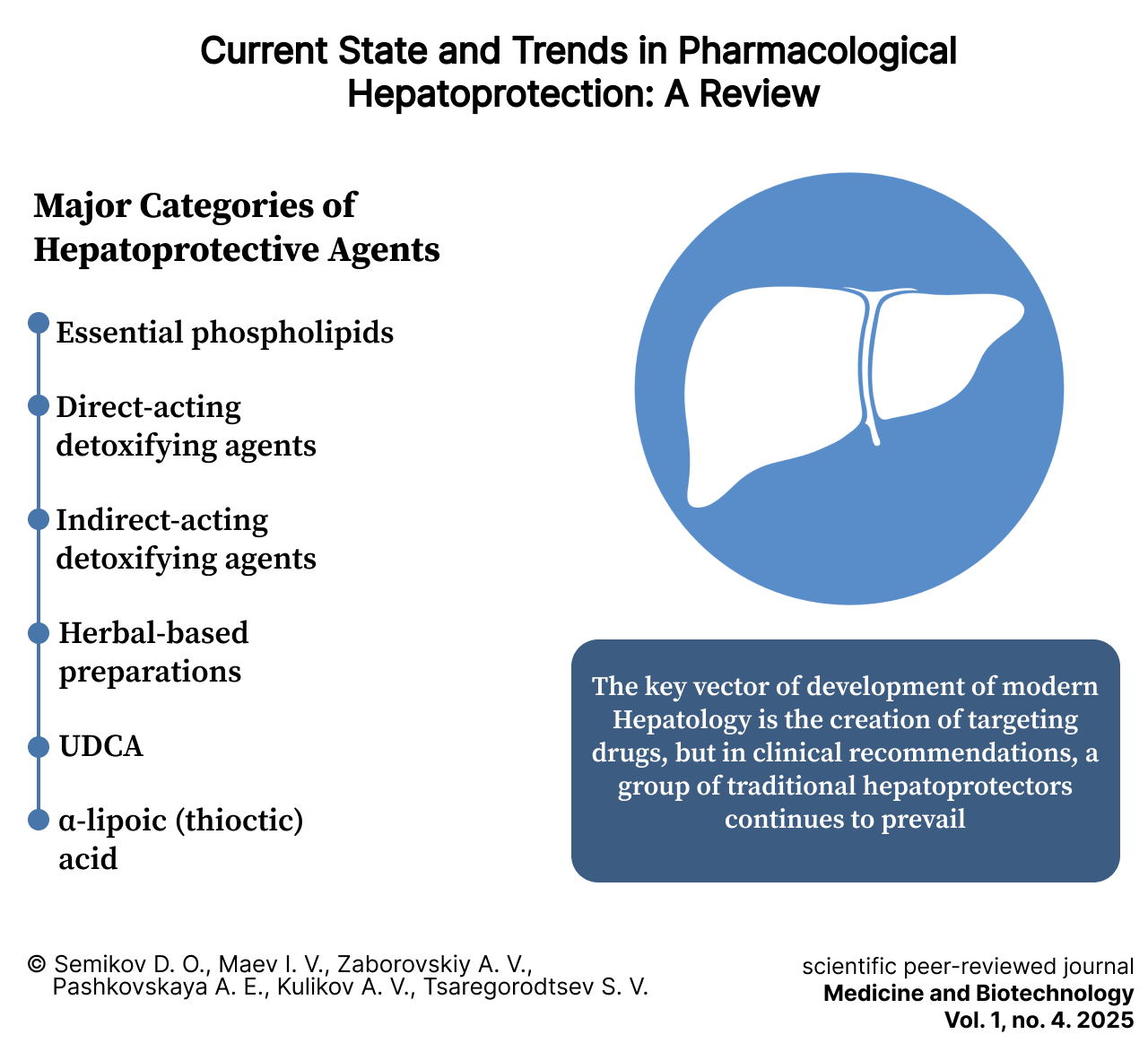
Analysis of the Current State and Trends in the Field of Pharmacological Hepatoprotection
Abstract
Introduction. Hepatic disorders constitute a significant global health challenge, underscoring the critical need for effective therapeutic strategies. Hepatoprotective agents play a pivotal role in management; however, their efficacy is frequently constrained by pharmacokinetic limitations. The objective of this review is to provide a systematic analysis of contemporary approaches to hepatoprotection, encompassing an evaluation of existing pharmacological classes, combination treatment regimens, and emerging directions, such as the application of nanotechnology to enhance the bioavailability and therapeutic potential of active pharmaceutical ingredients.
Materials and methods. A review and analysis of contemporary scientific literature pertaining to liver disease epidemiology, the classification of hepatoprotective agents, and the application of nanotechnology for the enhancement of their bioavailability was conducted. The literature search was performed across the PubMed, Springer Link, and eLibrary databases, with selection criteria limited to relevant publications from the past decade.
Results. Despite the diversity of hepatoprotector classes with distinct mechanisms of action, their clinical efficacy is often constrained by low bioavailability. Analysis reveals that the most promising strategy to overcome these limitations is the application of nanotechnology to create targeted drug delivery systems.
Discussion and conclusion. Current evidence indicates a lack of a universally effective hepatoprotective agent, with many combination regimens requiring further investigation. There is a demonstrated need both to optimize existing therapeutics through nano-engineering approaches and to continue the search for novel pharmacologically active compounds.
356-375
Biotechnologies
Formation of Interspecies Biofilms of Saccharomyces cerevisiae Yeast and Streptococcus thermophilus Bacteria Utilizing Co-flocculation
Abstract
Introduction. Dental caries is one of the most prevalent dental diseases. The primary cause of this pathology is a disruption in the species composition of the oral microbiota. The main causative agent of caries is the bacterium Streptococcus mutans, which begins to dominate the pellicle of the teeth among representatives of its genus, secreting lactic acid that destroys the integrity of the enamel. The attachment of pathogenic microorganisms to dental plaque occurs, as with representatives of the normal flora, through proteins – lectins. This creates a prospect for introducing non-pathogenic, non-acid-producing microorganisms into the oral microbiome by artificially incorporating them into the pellicular microflora.
The aim of this research is to develop a method for incorporating non-acid-producing microorganisms into the oral microbiome, based on the co-flocculation of yeasts and streptococci.
Materials and methods. The yeast strains Saccharomyces cerevisiae I-224 and Saccharomyces boulardii were selected as non-acid-producing microorganisms. Streptococcus thermophilus var. lactis was used as a producer of the extracellular exp polysaccharide matrix for the common biofilm. Yeast biomass was cultivated in sterile grape must, while streptococcal biomass was grown in liquid YPD medium at 26°C for five days. Following separate cultivation of the lactic streptococcus and the wine yeasts, the cultures were decalcified via centrifugation at 4,000 rpm and treatment of the sediment with a 0.3 mol/l potassium oxalate solution. The precipitated microbial biomass was combined and subjected to flocculation by adding a 1.0% calcium chloride solution. The efficiency of co-flocculate formation was determined microscopically at a 900× magnification after staining the specimen with methylene blue.
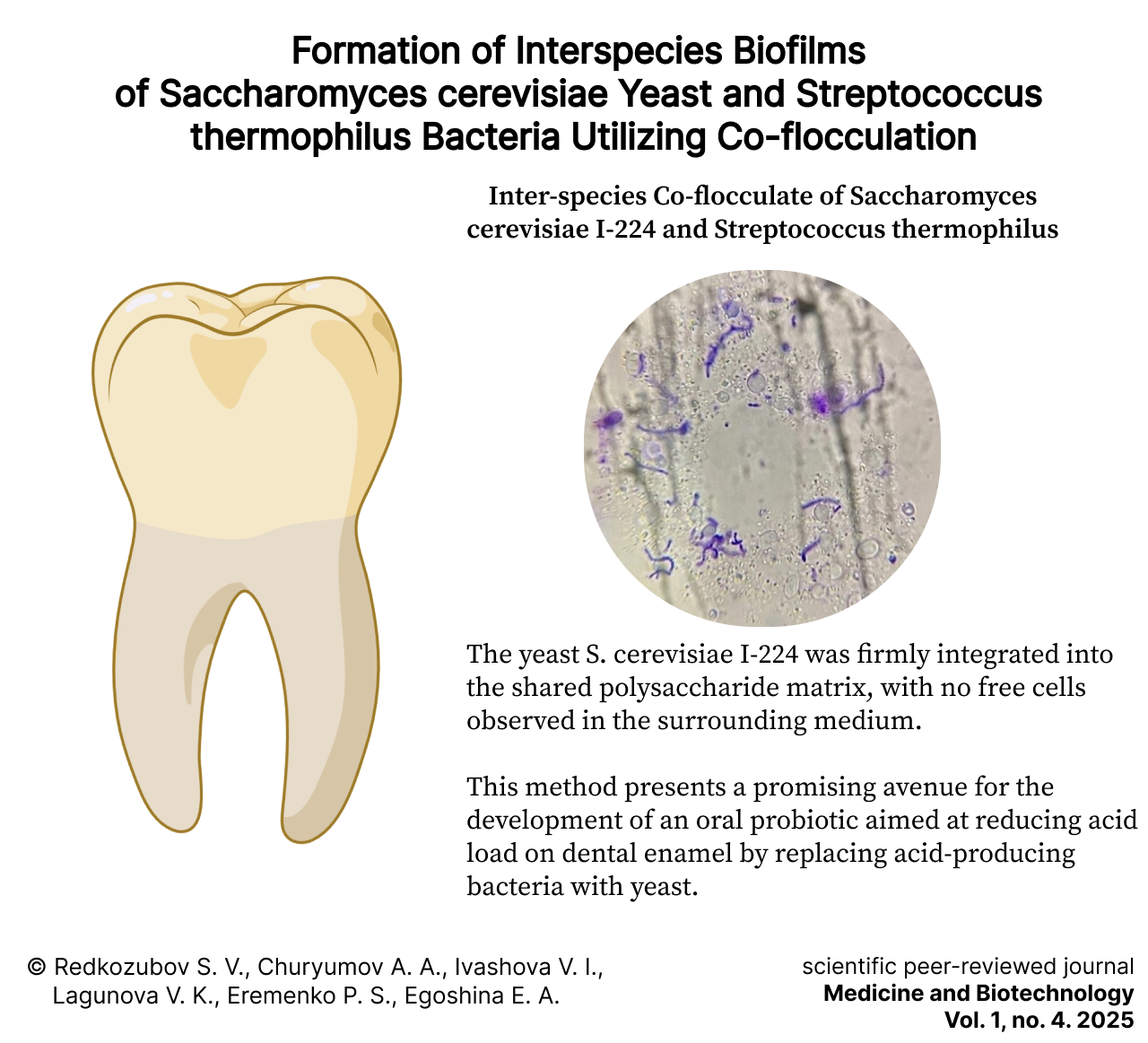
Results. The yeast Saccharomyces cerevisiae I-224 actively integrated into the common polysaccharide matrix, as evidenced by the clearing of the space around the co-flocculate and the absence of free streptococcal and yeast cells. The weakly flocculating probiotic yeast Saccharomyces boulardii scarcely formed unified flocculates with the bacteria.
Discussion and conclusion. An original method has been developed for the creation of interspecies conglomerates of bacteria and yeasts united by a common exopolysaccharide matrix. This method opens the prospect of creating an oral probiotic that reduces the acid load on tooth enamel, as it allows for the partial replacement of acid-producing bacteria with agents of alcoholic fermentation.
376-382
Pediatrics
Nutritional Status and its Association with Physical Development and Health Indicators in Schoolchildren of the Republic of Mordovia
Abstract
Introduction. Maintaining an adequate nutritional status is a base component of pediatric health, significantly influencing the attainment of normative physical and neurocognitive development. The provision of hot meals in educational institutions is recognized as an effective public health strategy for the prevention of nutritional disorders among children and adolescents. The aim of this study is to conduct a comprehensive comparative assessment of dietary intake, nutritional status, and overall health in schoolchildren of the Republic of Mordovia receiving state-subsidized meals versus those on a conventional diet.
Materials and methods. A cross-sectional study was conducted, enrolling 144 schoolchildren aged 7–10 and 14 years from educational institutions in the city of Saransk. The participants were allocated into two groups: Group 1 (n = 67) comprised children receiving exclusively institutional catering in 24-hour boarding schools; Group 2 (n = 77) consisted of children attending regular schools, who consumed home-prepared meals and were provided one mandatory hot meal per day at school. An assessment of dietary patterns was performed using the “Nutrilogic” online service. Anthropometric measurements were obtained, and body mass index was calculated with consideration of sigma deviations. Statistical analysis of the results was undertaken. Intergroup differences were assessed for significance using Student’s t-test (p < 0.05).
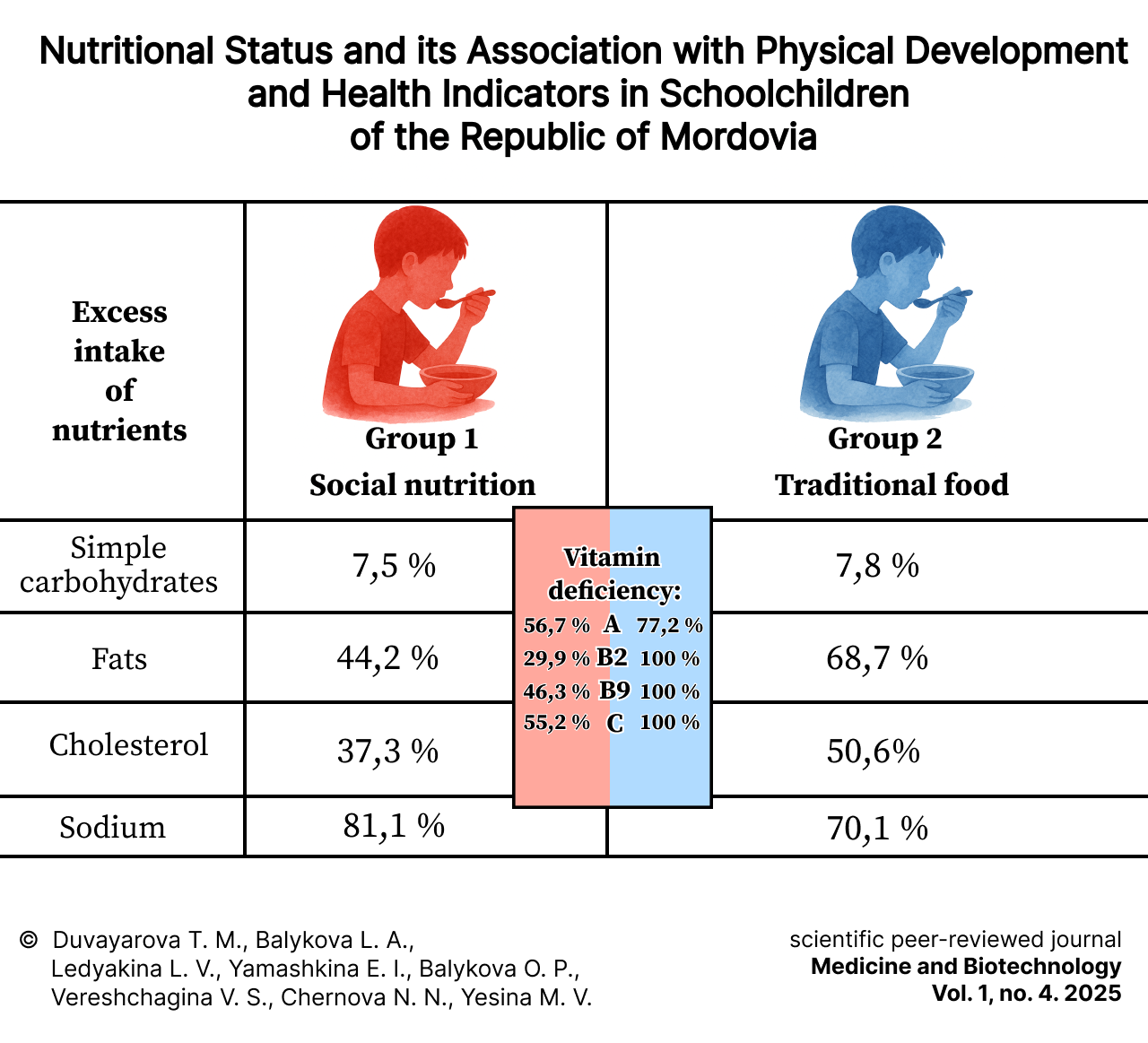
Results. Evidence indicates that students provided with comprehensive social meal programs have a lower incidence of nutritional inadequacies than their peers in standard urban schools. These students are less likely to exhibit deficits in caloric intake, complex carbohydrates, unsaturated fats, key vitamins (A, C, B-complex), and essential minerals (calcium, iron, iodine, zinc). The likely explanation is their more consistent meal frequency and a better-balanced dietary regimen.
Discussion and conclusion. Deviations from normative anthropometric parameters (stature, mass, abdominal circumference, etc.) were observed with greater frequency among children receiving a conventional diet. This cohort also demonstrated a higher prevalence of nutrition-dependent pathologies. The study findings indicate the efficacy of a balanced nutritional regimen in reducing the incidence of such nutrition-dependent conditions, including digestive system disorders, obesity, and anemia. The accrued data may inform the development of regulatory frameworks governing the supplemental fortification of infant and child food products with vitamins and essential trace elements.
383-395
A case from clinical practice
Clinical Case Report of Cavernous Sinus Thrombosis with an Atypical Presentation
Abstract
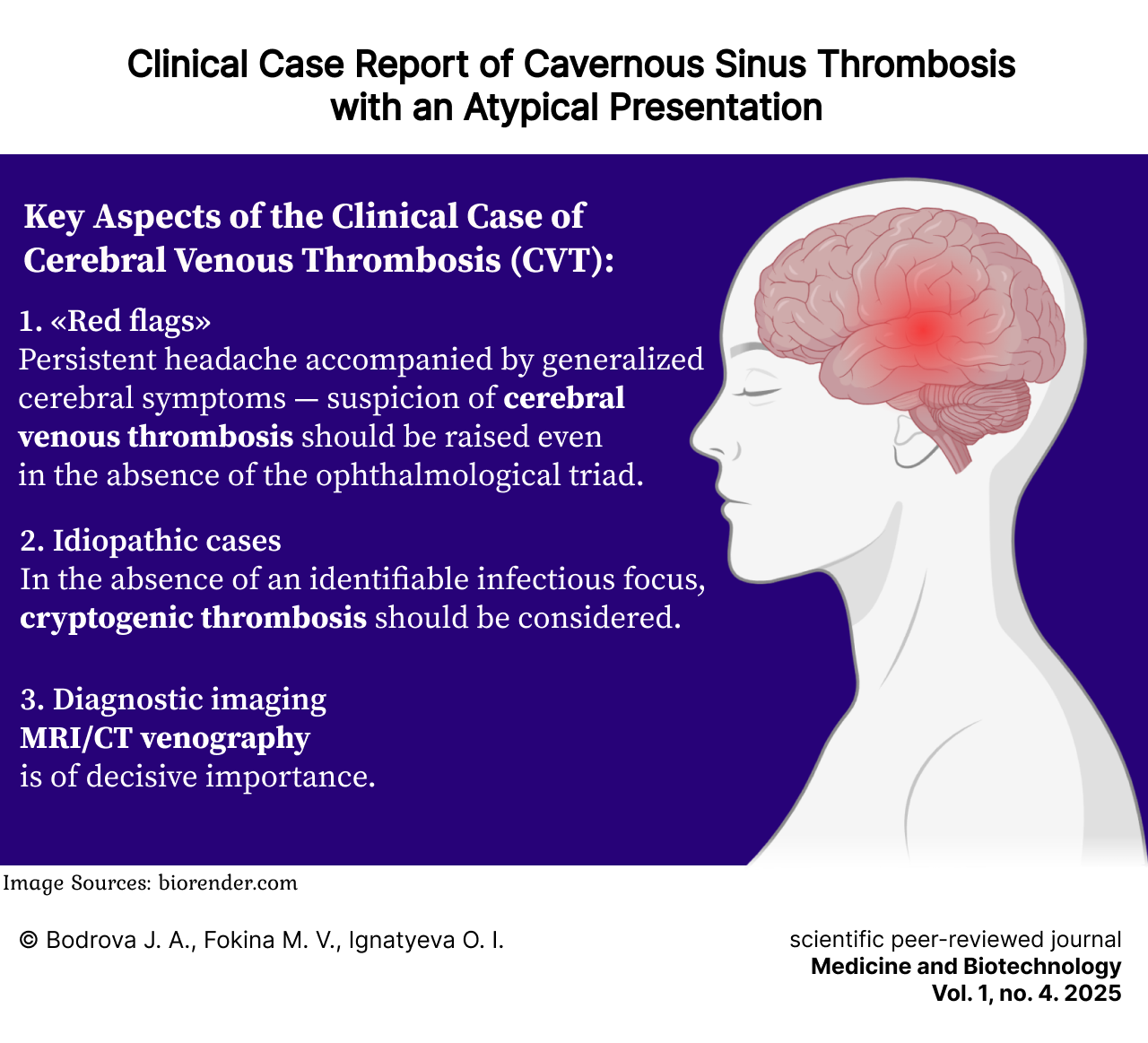
Cavernous sinus thrombosis represents a form of cerebral venous thrombosis, constituting a rare and life-threatening condition that lacks pathognomonic features. An acute, severe headache is a non-specific symptom frequently associated with this pathology and may, in some instances, be its sole manifestation. The diagnostic challenges, extensive differential diagnoses, and the imperative for immediate therapeutic intervention underscore the clinical significance of this entity. This article details a clinical case of atypical cavernous sinus thrombosis in a 48-year-old male with no apparent predisposing risk factors. The clinical presentation was characterised by a combination of headache and fever, in the absence of focal neurological deficits or ophthalmological manifestations. Computed tomography of the brain revealed radiological evidence of right cavernous sinus thrombosis. Therapeutic-dose direct anticoagulation with heparin was initiated to achieve sinus recanalisation. Upon resolution of the acute phase, the patient was transitioned to a regimen of oral rivaroxaban. Follow-up neurovascular imaging at one month demonstrated no residual signs of thrombosis.
396-401
Clinical Evaluation of an Immunological Method for Predicting the Efficacy of Assisted Reproductive Technologies
Abstract
Introduction. Infertility in marriage is a relevant medical and social problem in many countries worldwide, for which assisted reproductive technologies are actively used. The effectiveness of infertility treatment depends on a number of factors. The study and correction of immune parameters in reproductive medicine may contribute to reducing the rate of population infertility. The aim of this study is to conduct a clinical trial of a method for the immunological prediction of the effectiveness of assisted reproductive technologies.
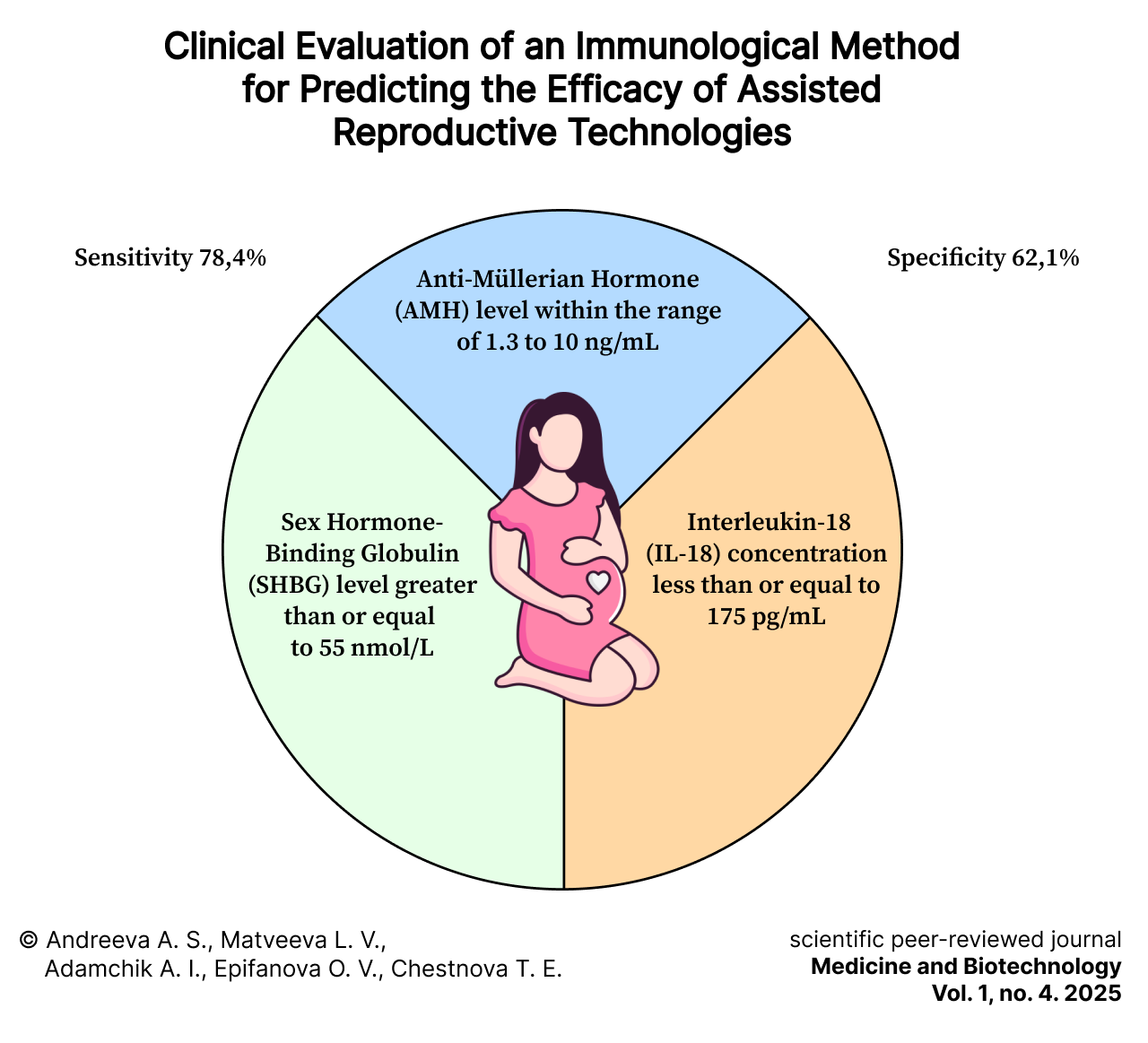
Materials and methods. The method was trialed on 80 women with primary infertility, aged 19 to 47, prior to the use of assisted reproductive technologies. During the initial consultation, after obtaining informed consent, a blood sample was collected from the women, and serum was separated. The serum levels of Anti-Müllerian Hormone, Interleukin-18, and Sex Hormone-Binding Globulin were determined by enzyme-linked immunosorbent assay.
Results. Analysis of changes in serum levels of the studied parameters revealed variations dependent on female fertility status. The detection model based on a combination of these parameters for predicting pregnancy onset demonstrated a sensitivity of 78.4% and a specificity of 62.1%.
Discussion and сonclusion. Successful pilot testing of a method for the immunological prediction of the efficacy of assisted reproductive technologies in a cohort of women with primary infertility indicates its potential for use in immunodiagnostics, personalized assessment of pregnancy chances, and evaluation of the advisability of in vitro fertilization.
402-408